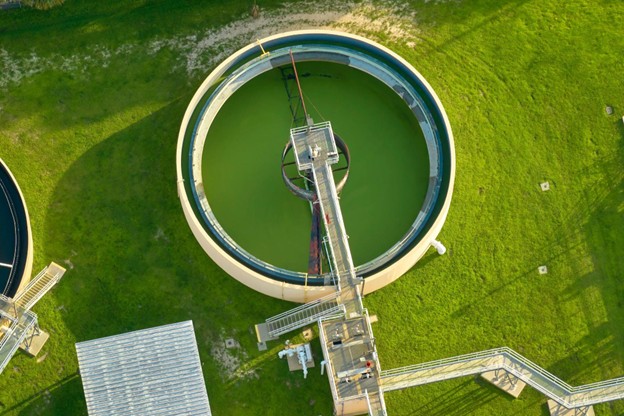
India is running low on water. That is not an exaggeration. The country holds nearly 18% of the world's population but commands only about 4% of its total freshwater resources. For industries that rely on clean water every single day, whether it is a pharmaceutical plant in Hyderabad or a textile unit in Surat, this gap is no longer a background concern. It has become a core operational challenge.
So when a procurement head or plant manager starts looking for a reliable industrial water treatment equipment supplier in India, the decision carries real weight. It is not just about buying a machine. It is about choosing a long-term partner that understands your effluent load, your compliance requirements, and what zero downtime actually means to your production line.
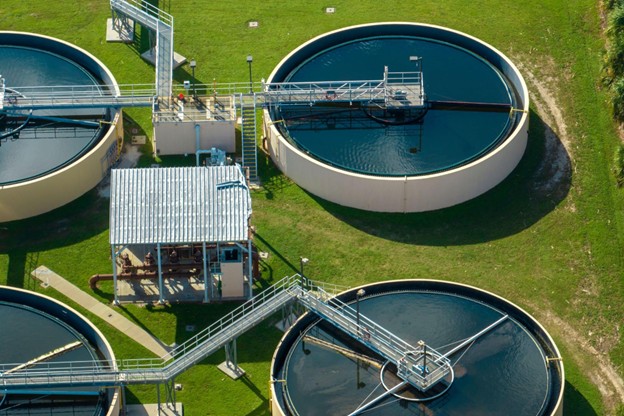
The Growing Demand for Industrial Water Treatment in India
The numbers tell a clear story. According to a 2026 report by Mordor Intelligence market report, the Indian water and wastewater treatment technology market is projected to reach USD 3.27 billion in 2026 and grow to USD 5.17 billion by 2031, expanding at a CAGR of 9.62%. A separate analysis by Grand View Research estimates that the industrial water treatment segment alone generated revenue of USD 3,335.9 million in 2024 and is expected to reach USD 6,120.9 million by 2033.
These figures are not just impressive statistics. They reflect a real shift in how Indian industries are approaching water. Zero Liquid Discharge (ZLD) mandates, ESG compliance pressure, and tightening CPCB norms have all pushed water treatment from an afterthought to a boardroom priority.
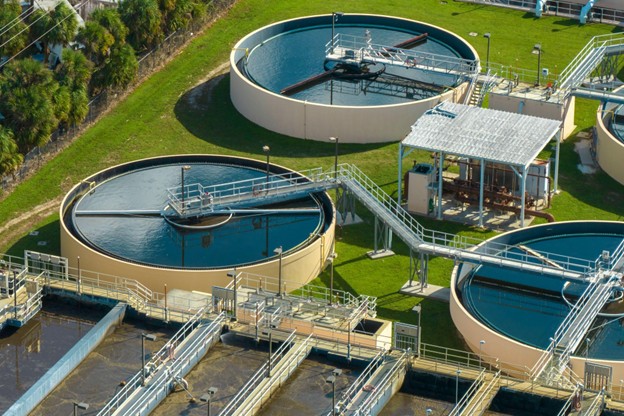
What Industries Actually Need From a Water Treatment Equipment Supplier
Different industries generate different types of wastewater, and a supplier who treats every client the same way is one you should be cautious about. A sugar mills, in Maharashtra deals with high BOD loads. A paper mill in West Bengal generates fibre-laden effluent. A pharmaceutical company in Pune has to meet stringent norms on trace contaminants. The equipment requirements vary significantly across all of these.
What most industries genuinely need is a supplier who can offer end-to-end solutions, including screening, degritting, biological treatment, membrane systems, sludge handling, and tertiary treatment, all backed by engineering support and after-sales service.
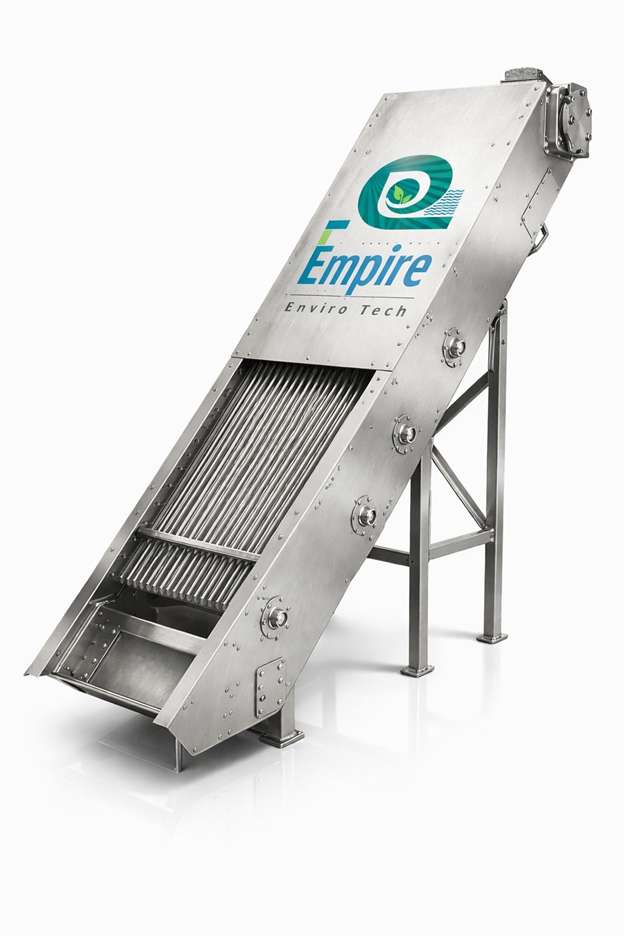
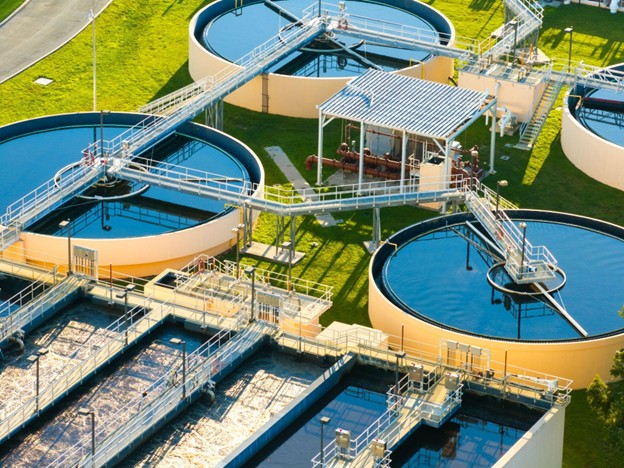
At Empire Enviro Tech, this is precisely the space we operate in. Our product range covers the complete treatment chain, from inlet screening using step screens and mechanical screens, to advanced biological treatment through SBR decanters and surface aerators, all the way to sludge dewatering using screw presses. Every product is designed to meet the specific load and regulatory requirements of Indian industrial facilities.
Key Equipment Categories Worth Understanding
If you are evaluating suppliers, it helps to know what each piece of equipment actually does in the treatment process.
Screening and Degritting: Raw industrial effluent almost always carries solids, grit, and debris that can damage downstream equipment. Screens are used first to remove coarse materials, while grit removal mechanisms eliminate sand and fine particles. Both are foundational to the efficiency of everything that comes after. Empire Enviro Tech supplies step screens and grit remover mechanisms that are built for continuous, heavy-duty operation.
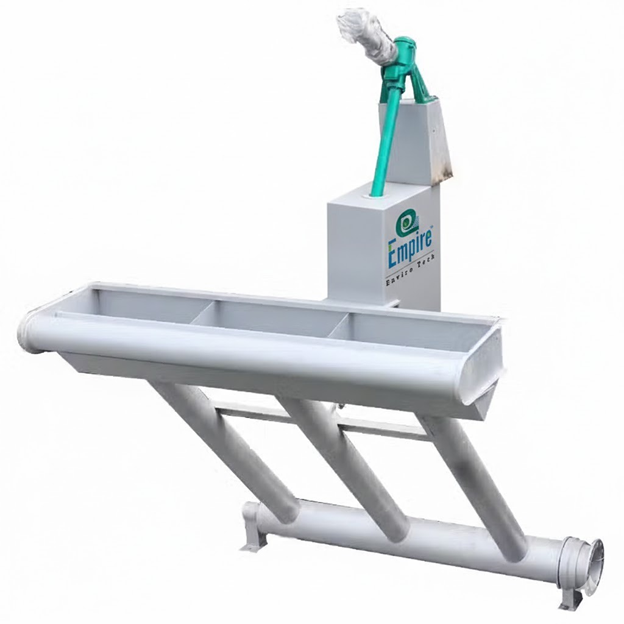
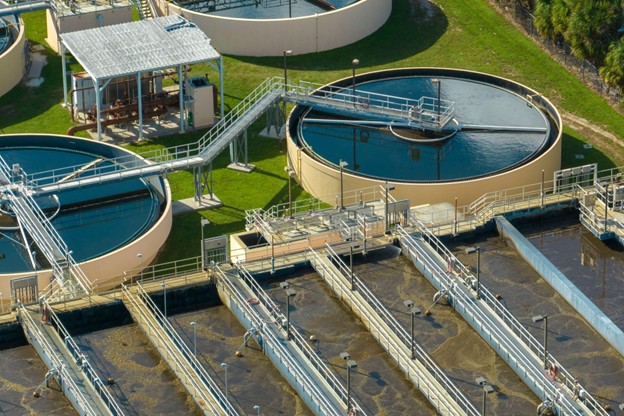
Biological Treatment: After preliminary treatment, biological systems handle the organic load. Technologies like SBR (Sequencing Batch Reactor), decanters and surface aerators are widely used in municipal and industrial sewage treatment plants. These systems are effective, relatively compact, and well-suited to India's climate.
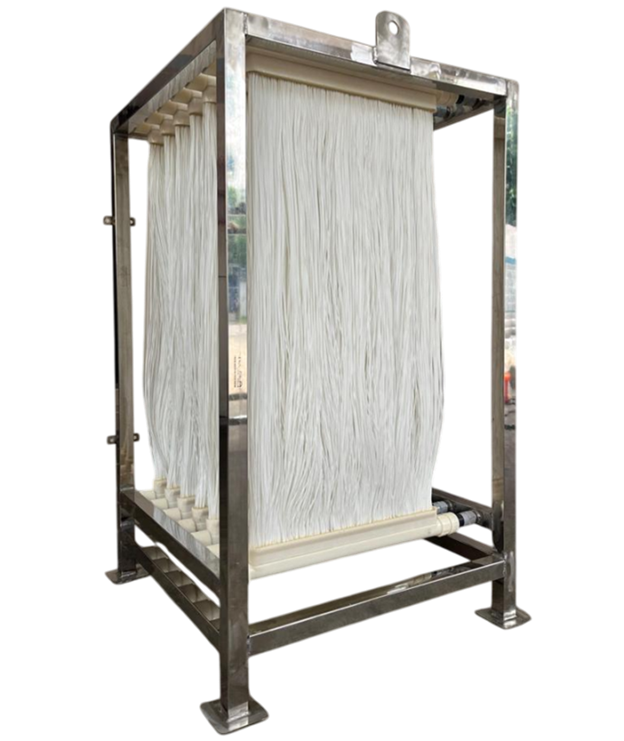
Membrane Technology: MBR (Membrane Bioreactor) systems have gained significant ground in recent years because they combine biological treatment and membrane filtration in one step, producing high-quality treated water.
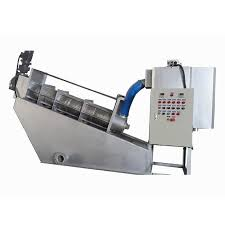
Sludge Treatment: Every treatment process generates sludge, and handling it properly is both a regulatory requirement and a practical necessity. Screw presses are commonly used for sludge dewatering because they are energy-efficient and produce a dry cake that is easier to dispose of. Our screw press systems are deployed across ETP and STP plants in multiple states.
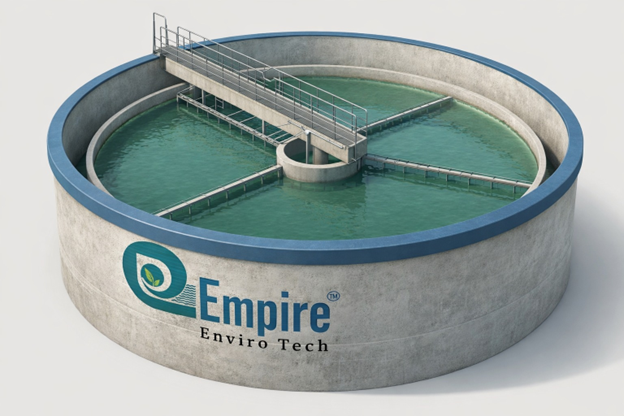
Flow Control: Clarifiers, Clarifocculators, sludge thickeners, and flow control gates round out the treatment process by managing how water and solids move through the system. These components are often underestimated, but they directly affect the overall efficiency of a plant.
Why the Supplier Relationship Matters as Much as the Product
Here is something that does not get discussed enough. Industrial water treatment equipment can be sourced from many places. What separates a good supplier from a great one is what happens after the equipment is delivered.
Commissioning support, operator training, spare parts availability, and prompt response to breakdowns are all factors that determine whether a treatment plant actually performs as intended. In industries where regulatory non-compliance can mean production shutdowns and heavy penalties, this is not a minor consideration.
Empire Enviro Tech has worked with government bodies, including UP Jal Board, Gujarat Urban Development Company (GUDC), Maharashtra Jal Pradhikaran, and private sector clients like Reliance and Adani Infrastructure. These relationships are built on more than just equipment supply. They are built on consistent technical support and accountability.
We are also ISO certification and CE marked, which matters when projects involve government procurement processes or international financing.
Fact Check: Where Does India Stand on Water Stress?
In 2025, India's per capita freshwater availability dipped below the United Nations' water-stress threshold, according to the Mordor Intelligence market report updated in January 2026. This has directly accelerated the expansion of captive ZLD plants, particularly in water-intensive sectors like textiles, leather, and pharmaceuticals.
It is also worth noting that, as per Market Research Future's analysis, India's water treatment market is projected to grow at a CAGR of 10.6% from 2025 to 2035, making it one of the fastest-growing markets in the Asia Pacific for this sector.
These are not abstract projections. They are the backdrop against which procurement decisions are being made right now, in boardrooms and factory offices across the country.
How to Evaluate an Industrial Water Treatment Equipment Supplier in India
Before you finalise a supplier, here are a few things worth verifying.
First, ask about their engineering team. Equipment without engineering support is just metal and motors. A supplier who can review your effluent characteristics, recommend the right treatment train, and size equipment correctly will save you significant money and headaches in the long run.
Second, look at their project portfolio. Past installations tell you a lot about a supplier's capability range. Have they handled plants similar in scale and industry type to yours? References from government clients add layer of credibility.
Third, check their certifications. ISO certification, CE marking, and empanelment with major government agencies are all indicators of a supplier who operates to defined quality standards.
Fourth, clarify the after-sales structure. Who do you call at 2 PM IST when a screw press stops working? What is the typical spare parts lead time? These are questions that matter enormously once the installation is done.
Frequently Asked Questions
What is an industrial water treatment equipment supplier?
An industrial water treatment equipment supplier designs, manufactures, and supplies machinery used to treat wastewater, drinking water, and process water in industrial and municipal settings. This includes equipment like screens, aerators, membrane systems, clarifiers, sludge presses, and complete treatment plants.
An industrial water treatment equipment supplier designs, manufactures, and supplies machinery used to treat wastewater, drinking water, and process water in industrial and municipal settings. This includes equipment like screens, aerators, membrane systems, clarifiers, sludge presses, and complete treatment plants.
Which industries in India require water treatment equipment?
Almost every major industry requires some form of water treatment. The most equipment-intensive sectors include textiles, pharmaceuticals, chemicals, food and beverages, oil and gas, power plants, paper mills, sugar mills, and automobile manufacturing. Municipal bodies also represent a large segment of demand.
Almost every major industry requires some form of water treatment. The most equipment-intensive sectors include textiles, pharmaceuticals, chemicals, food and beverages, oil and gas, power plants, paper mills, sugar mills, and automobile manufacturing. Municipal bodies also represent a large segment of demand.
What is the difference between ETP, STP, and WTP?
An ETP (Effluent Treatment Plant) is used to treat industrial wastewater before it is discharged. An STP (Sewage Treatment Plant) treats domestic and municipal sewage. A WTP (Water Treatment Plant) processes raw water from rivers or groundwater sources to make it suitable for drinking or industrial use.
An ETP (Effluent Treatment Plant) is used to treat industrial wastewater before it is discharged. An STP (Sewage Treatment Plant) treats domestic and municipal sewage. A WTP (Water Treatment Plant) processes raw water from rivers or groundwater sources to make it suitable for drinking or industrial use.
What is Zero Liquid Discharge (ZLD) and why is it becoming important?
ZLD is a water treatment approach in which no liquid effluent is discharged from a facility. All wastewater is treated and reused, and only solid waste is generated. Several Indian states now mandate ZLD for certain industries, particularly in water-stressed regions. The equipment involved includes evaporators, crystallisers, and advanced membrane systems.
ZLD is a water treatment approach in which no liquid effluent is discharged from a facility. All wastewater is treated and reused, and only solid waste is generated. Several Indian states now mandate ZLD for certain industries, particularly in water-stressed regions. The equipment involved includes evaporators, crystallisers, and advanced membrane systems.
How do I choose the right water treatment equipment for my facility?
The right equipment depends on your influent characteristics (the type and volume of wastewater you generate), local discharge norms, space availability, and budget. It is best to work with a supplier who conducts a proper process audit before recommending a treatment solution.
The right equipment depends on your influent characteristics (the type and volume of wastewater you generate), local discharge norms, space availability, and budget. It is best to work with a supplier who conducts a proper process audit before recommending a treatment solution.
Does Empire Enviro Tech supply equipment for government projects?
Yes. Empire Enviro Tech has supplied equipment for projects undertaken by GUDC, UP Jal Board, Maharashtra Jal Pradhikaran, Chhattisgarh Urban Development Department, and AMC, among others. We are also empanelled with several government agencies and consultants.
Yes. Empire Enviro Tech has supplied equipment for projects undertaken by GUDC, UP Jal Board, Maharashtra Jal Pradhikaran, Chhattisgarh Urban Development Department, and AMC, among others. We are also empanelled with several government agencies and consultants.
What makes a supplier reliable for long-term industrial water treatment projects?
Reliability comes from a combination of technical competence, a strong product portfolio, certifications, a robust after-sales service structure, and a track record of successful installations. Suppliers with experience across both government and private sector projects tend to bring a broader perspective to complex requirements.
Reliability comes from a combination of technical competence, a strong product portfolio, certifications, a robust after-sales service structure, and a track record of successful installations. Suppliers with experience across both government and private sector projects tend to bring a broader perspective to complex requirements.
Industrial water treatment is not a luxury. In India's current water reality, it is a necessity, and it is one that is only going to grow more urgent over the coming decade. The right industrial water treatment equipment supplier in India will not just provide you with compliant equipment. They will bring engineering insight, project experience, and the kind of after-sales support that makes a treatment plant actually work over the long term.
Empire Enviro Tech was built with exactly that in mind. From screening systems and aerators to MBR membranes and complete STPs and ETPs, our product range covers what Indian industries and municipalities actually need. And our project history, from the Ganga basin to Gujarat to Andhra Pradesh, speaks for itself.