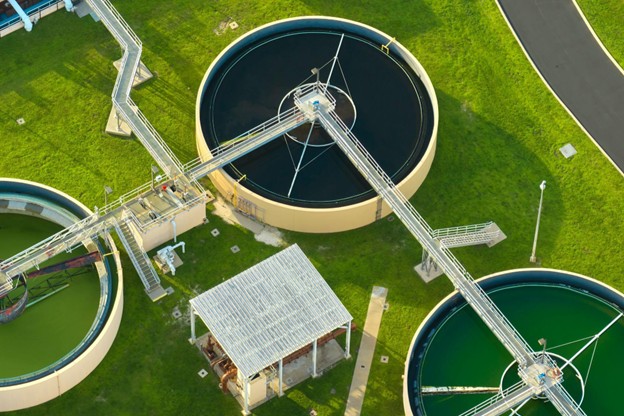
India is facing a water crisis that is growing quietly but quickly. Over 600 million people face extreme water stress, and industries are now at the centre of both the problem and the solution. Here is what actually matters when choosing a treatment plant manufacturer today.
In this article:
• Why water treatment is now a business priority
• What a WTP, STP, and ETP actually do
• Key technologies inside modern treatment plants
• What to look for in a manufacturer
• Empire Enviro Tech: built for India's challenges
• Frequently asked questions
• Why water treatment is now a business priority
• What a WTP, STP, and ETP actually do
• Key technologies inside modern treatment plants
• What to look for in a manufacturer
• Empire Enviro Tech: built for India's challenges
• Frequently asked questions
Why water treatment has become a business priority, not just a compliance task
For years, wastewater treatment was treated as an afterthought. A box to tick before getting the environmental clearance and moving on. That thinking has changed significantly in 2026, and for good reason.
The Central Pollution Control Board (CPCB) has sharpened its enforcement around effluent discharge standards under the Environment Protection Act. Industries that fail to treat their wastewater adequately are facing real consequences: closures, penalties, and public scrutiny.
At the same time, freshwater availability is becoming a genuine supply chain risk for industries like textiles, pharmaceuticals, food and beverages, and cement.
Water treatment is no longer just about compliance. It is about water security, operational continuity, and ESG commitments that investors and clients are watching closely.
These three things are increasingly connected in 2026, and companies that get ahead of them are the ones staying competitive.
What a water treatment plant actually does and why the design matters
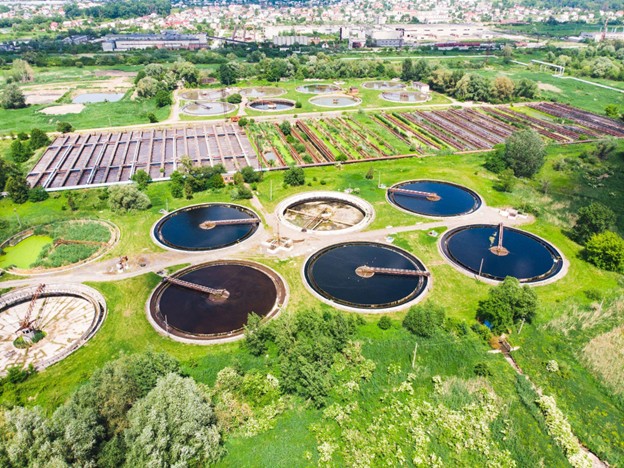
A water treatment plant (WTP) is designed to make raw water safe for a specific end use. That could be drinking water supply, industrial process water, or irrigation. A wastewater treatment plant, on the other hand, treats water that has already been used. Contaminants are removed before the water is discharged or reused.
The technology used in each plant depends heavily on the source water quality, the required output standard, and the volume to be treated. This is why a one-size-fits-all approach rarely works in practice.
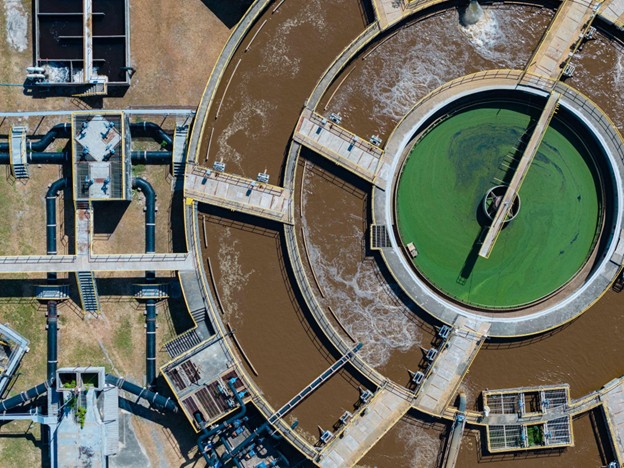
For instance, a sewage treatment plant (STP) serving a municipal area like those built under GUDC projects needs robust screening, biological treatment, and tertiary polishing before the treated water meets discharge norms.
An effluent treatment plant (ETP) serving a chemical manufacturer, on the other hand, needs to handle very specific pollutants. Sometimes that means heavy metals. Sometimes it means organic compounds. Each situation requires an entirely different process configuration.
Key technologies used in modern treatment plants
The equipment inside a treatment plant is where quality really shows. Poorly designed or low-grade equipment creates operational headaches: clogging, high energy consumption, maintenance downtime, and inconsistent output quality.
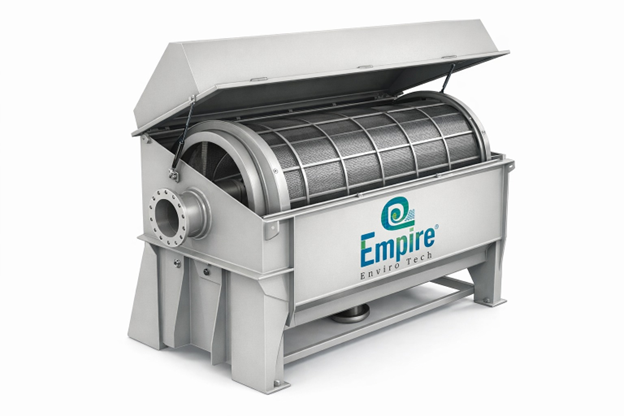
Screening Systems: Step screens and mechanical bar screens remove large solids from raw sewage. Without effective screening, downstream equipment gets damaged quickly.
Degritting: Grit remover mechanisms eliminate sand, gravel, and inorganic particles that would otherwise abrade pumps and settle in tanks over time.
Biological Treatment: SBR Decanters and MBR Hollow Fibre Membranes offer high efficiency in a compact footprint. Ideal for urban projects where space is genuinely limited.
Aeration: Surface aerators and fine bubble disc diffusers supply oxygen to the biological process. The choice of diffuser significantly affects energy costs over the plant lifetime.
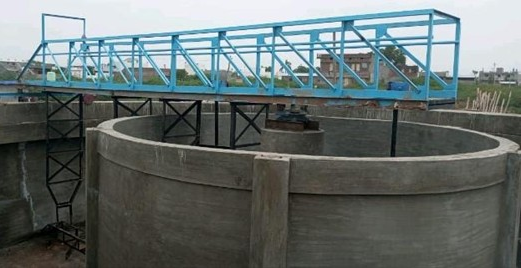
Clarification and Thickening: Clarifiers and clarifloculators separate treated water from settled solids. Sludge thickeners then concentrate the resulting sludge for further handling.
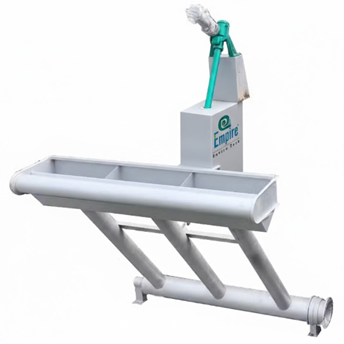
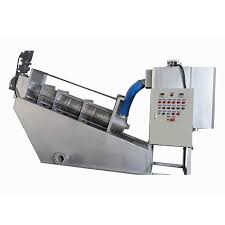
Sludge Treatment: Screw presses are commonly used for mechanical dewatering of sludge. Volume is reduced significantly, making disposal or reuse far more practical.
Flow control gates are used throughout the plant to manage and direct flows between different treatment stages. Together, these components form a carefully sequenced system, and the quality of each one affects the performance of the whole.
What to look for in a water and wastewater treatment plant manufacturer in India
Not every company that supplies treatment equipment is the same. The difference between a project that runs smoothly and one that becomes a maintenance nightmare often comes down to the manufacturer's experience, technical capability, and support after installation. Here are some things worth examining before you commit.
Full process chain coverage: A manufacturer that covers everything from intake screening to sludge dewatering is better positioned to supply cohesive, well-matched systems. Mixing equipment from multiple uncoordinated suppliers often leads to integration problems that are expensive to fix after commissioning.
Experience across multiple sectors: Industrial wastewater from a sugar mill is very different from municipal sewage, which is very different from effluent from an oil and gas facility. A manufacturer that has handled all three is not guessing when they design your plant.
Relevant certifications: ISO 9001 for quality, ISO 14001 for environmental management, and ISO 45001 for occupational health and safety are the key ones to look for. CE marking is also relevant for manufacturers that work with European technology partners or export equipment.
Government project track record: Executing projects for GUDC, UP Jal Nigam, Maharashtra Jal Pradhikaran, or similar bodies requires navigating detailed technical specifications, independent quality audits, and compliance requirements that are genuinely rigorous.
Empire Enviro Tech: a manufacturer built for India's water challenges
Empire Enviro Tech has been built specifically around India's water and wastewater treatment needs. Government-led water treatment projects for Gujarat Urban Development Company (GUDC) and UP Jal Nigam sit alongside industrial ETP and STP projects for clients like Adani, Reliance, and Varun Beverages.
The product range covers the complete treatment process: step screens and mechanical screens for solids removal, screw conveyors for waste transport, grit remover mechanisms, surface aerators and disc diffusers for biological treatment, SBR decanters, MBR hollow fibre membranes, clarifiers and clarifloculators, screw presses for sludge dewatering, wall mounting flow control gates, and complete packaged treatment plants for integrated project delivery.
Frequently asked questions
What is the difference between a WTP, STP, and ETP?
A water treatment plant (WTP) treats raw water from rivers, lakes, or groundwater to make it safe for drinking or industrial use. A sewage treatment plant (STP) treats domestic or municipal sewage before it is discharged or reused. An effluent treatment plant (ETP) is designed specifically for industrial wastewater, which often contains pollutants that vary depending on the industry.
A water treatment plant (WTP) treats raw water from rivers, lakes, or groundwater to make it safe for drinking or industrial use. A sewage treatment plant (STP) treats domestic or municipal sewage before it is discharged or reused. An effluent treatment plant (ETP) is designed specifically for industrial wastewater, which often contains pollutants that vary depending on the industry.
Which industries in India are required to have wastewater treatment plants?
Under CPCB norms, highly polluting industries are required to treat their effluent before discharge. This includes textiles, chemicals, pharmaceuticals, food and beverages, paper mills, sugar mills, refineries, and automobile manufacturing, among others. Many are also required to achieve Zero Liquid Discharge (ZLD) compliance.
Under CPCB norms, highly polluting industries are required to treat their effluent before discharge. This includes textiles, chemicals, pharmaceuticals, food and beverages, paper mills, sugar mills, refineries, and automobile manufacturing, among others. Many are also required to achieve Zero Liquid Discharge (ZLD) compliance.
What is MBR technology and why is it widely used in India?
MBR or Membrane Bioreactor technology combines biological treatment with membrane filtration. It produces very high quality treated water in a smaller footprint than conventional systems. This makes it especially useful in space-constrained urban or industrial settings, which is a common situation across Indian cities.
MBR or Membrane Bioreactor technology combines biological treatment with membrane filtration. It produces very high quality treated water in a smaller footprint than conventional systems. This makes it especially useful in space-constrained urban or industrial settings, which is a common situation across Indian cities.
How long does it take to commission a water treatment plant in India?
It varies depending on plant capacity and complexity. A small packaged plant of 1 to 2 MLD might be commissioned in 3 to 6 months. Larger municipal projects of 10 MLD and above typically take 12 to 24 months from order to commissioning.
It varies depending on plant capacity and complexity. A small packaged plant of 1 to 2 MLD might be commissioned in 3 to 6 months. Larger municipal projects of 10 MLD and above typically take 12 to 24 months from order to commissioning.
Is treated wastewater reusable for industrial purposes?
Yes, and increasingly it is being reused. With tertiary treatment, wastewater can be treated to a standard suitable for cooling towers, toilet flushing, landscaping, and even some process applications. This is a growing priority as freshwater scarcity continues to intensify across India.
Yes, and increasingly it is being reused. With tertiary treatment, wastewater can be treated to a standard suitable for cooling towers, toilet flushing, landscaping, and even some process applications. This is a growing priority as freshwater scarcity continues to intensify across India.
What certifications should a treatment plant manufacturer hold?
At a minimum, look for ISO 9001 for quality management, ISO 14001 for environmental management, and ISO 45001 for occupational safety. For equipment intended for certain export markets or European technology integrations, CE marking is also worth verifying. ISO 3834 is additionally relevant for manufacturers involved in the welding and fabrication of pressure equipment.
At a minimum, look for ISO 9001 for quality management, ISO 14001 for environmental management, and ISO 45001 for occupational safety. For equipment intended for certain export markets or European technology integrations, CE marking is also worth verifying. ISO 3834 is additionally relevant for manufacturers involved in the welding and fabrication of pressure equipment.